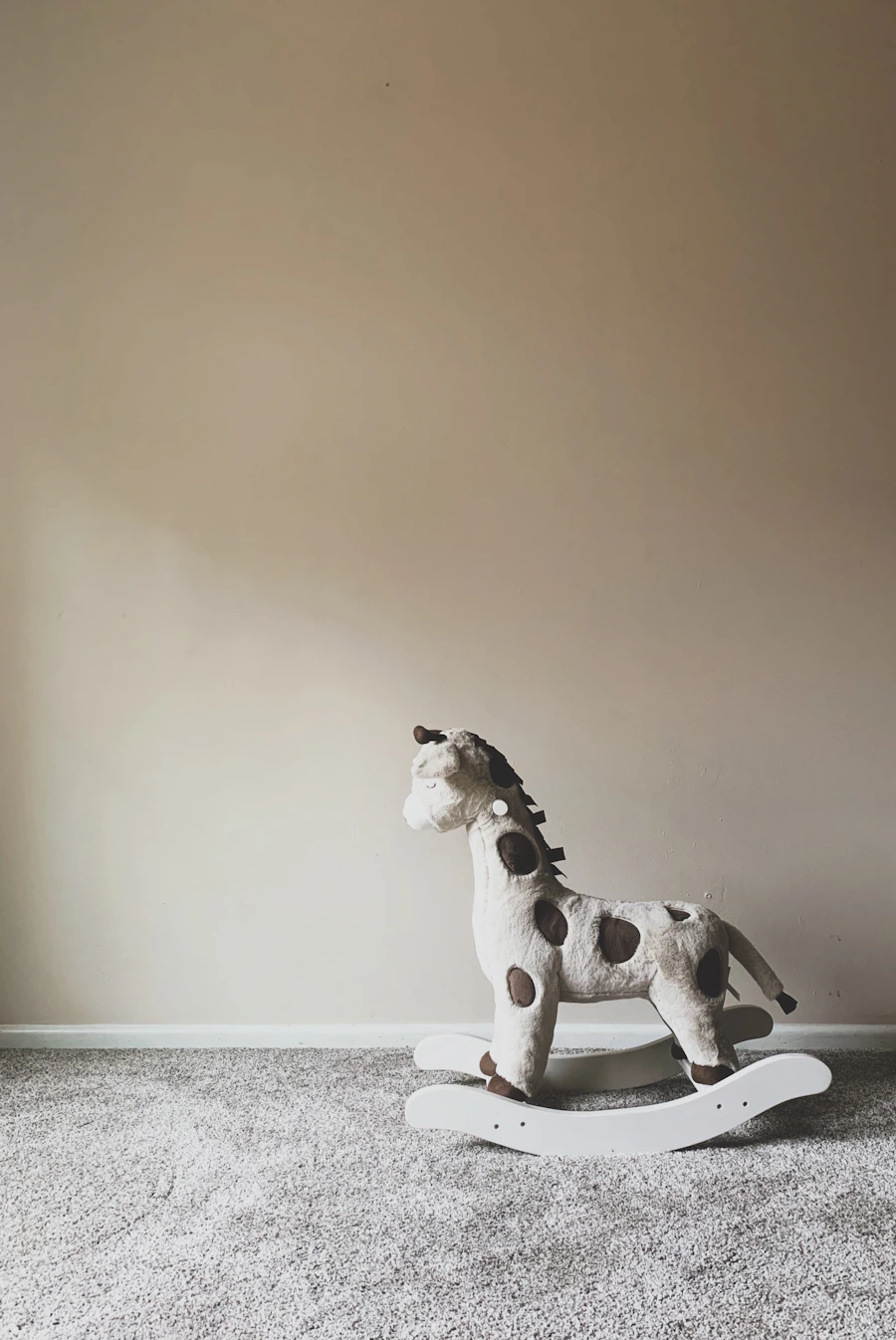
If you've ever spent forty-five minutes negotiating with a toddler about whether bears need water too, you're not alone. Bedtime can be the most challenging part of the day, but it doesn't have to feel like a battle every single night.
We surveyed over 300 parents in our community and combined their experiences with current guidance from the NHS and the Sleep Foundation to put together something genuinely useful. No judgement, no rigid rules, just a framework you can adapt.
Why Routine Matters
Children thrive on predictability. Research published in the journal Sleep found that a consistent bedtime routine is associated with better sleep outcomes within just three nights. The key word is consistent, not elaborate. A routine doesn't need candles and whale music; it just needs to happen in roughly the same order at roughly the same time.
A Simple Framework
Most sleep consultants recommend a routine lasting between 20 and 40 minutes. Here's a structure that works for many families:
- Wind-down signal — A verbal cue or activity that marks the transition. "It's nearly bedtime" while tidying toys together works well.
- Bath or wash — Warm water naturally lowers body temperature afterwards, which promotes sleepiness. Keep it calm rather than splashy.
- Pyjamas and nappy/pull-up — Let older toddlers choose between two options to give them a sense of control.
- Milk or supper — If your child still has a bedtime feed, do it in the bedroom with low lighting rather than downstairs in the bright kitchen.
- Stories and songs — Two books is a manageable boundary. Let your child pick them to keep buy-in high.
- Goodnight ritual — A kiss, a specific phrase, tucking in a companion bear. Something that signals "this is the end, you're safe, see you in the morning."
Handling Setbacks
Illness, holidays, new siblings, developmental leaps — all of these can temporarily derail even the most established routine. That's normal. The research is reassuring here: most children return to their previous patterns within a week of the disruption passing, provided you go back to the routine rather than creating new habits in the gap.
Room Environment
The NHS recommends a room temperature between 16 and 20 degrees Celsius for sleeping babies. Beyond temperature, darkness is your friend. Blackout blinds make a significant difference in summer months, and a very dim nightlight (warm amber, never blue) can help children who are uneasy in total darkness without suppressing melatonin.
Keep the sleep space uncluttered and calm. A single comforter or companion (like a small bear) is fine for children over 12 months, but resist the temptation to fill the cot with toys.
When to Start
You can introduce a simple routine from around six to eight weeks. At that age it might only be a bath, feed and song, but the earlier you begin, the more natural it feels for everyone. There's genuinely no age at which it's "too late" to start, though. We've heard from parents who introduced structure for the first time at age three with brilliant results.
One Last Thought
Perfection isn't the goal. Some nights will go smoothly; others won't. The important thing is that your child knows what comes next and feels safe in that knowledge. Everything else is just fine-tuning.
If you're looking for a companion bear to become part of your child's bedtime ritual, have a look at our Companion Bears range. They're designed to be a consistent, comforting presence, night after night.